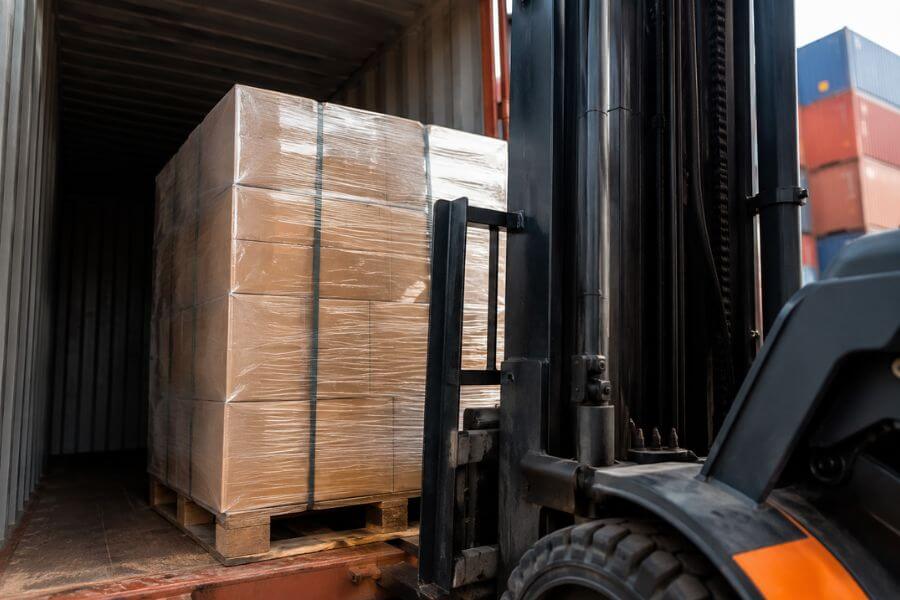
Container load is one of the most important parts of modern logistics and global shipping. Whether you are importing products, exporting goods, or managing supply chains, understanding container load can help you reduce shipping costs, improve delivery speed, and avoid cargo damage.
Every day, millions of containers move across ports, trucks, rail systems, and warehouses around the world. Businesses of all sizes depend on container shipping because it offers a secure and efficient way to transport products in large volumes.
In this guide, you will learn what container load means, the different types of container loads, how container shipping works, common challenges, cost factors, and best practices to improve your logistics operations.
What Is Container Load?
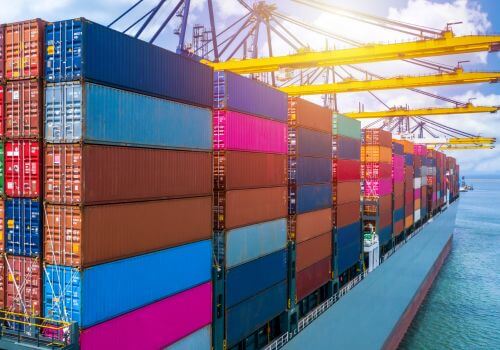
Container load refers to the amount of cargo packed into a shipping container for transportation. In logistics, containers are standardized metal boxes used to move goods safely across ships, trucks, and trains.
Container loading involves:
- Packing goods into a container
- Securing cargo properly
- Maximizing available space
- Preventing damage during transit
- Meeting shipping regulations and weight limits
The main goal is to transport products efficiently while protecting cargo and controlling shipping costs.
Why Container Load Matters in Logistics
Container load management affects almost every part of the supply chain. Poor loading practices can lead to damaged goods, delays, higher transportation costs, and safety risks.
Good container loading helps you:
- Reduce shipping expenses
- Improve warehouse efficiency
- Increase cargo safety
- Prevent shipment delays
- Optimize container space
- Improve customer satisfaction
For businesses that ship internationally, container load planning is especially important because freight charges are often based on container usage, weight, and space.
Types of Container Loads
There are several types of container loads used in logistics. Each option fits different shipping needs.
Full Container Load (FCL)
Full Container Load means one shipper uses the entire container for their cargo.
This option is commonly used when:
- You ship large quantities of goods
- Your cargo can fill most or all of a container
- You want faster delivery times
- You want less handling of your products
Benefits of FCL include:
- Lower risk of cargo damage
- Better shipment security
- Faster transit process
- More control over loading and unloading
Less Than Container Load (LCL)
Less Than Container Load means multiple shippers share the same container. Each shipper pays only for the space they use.
LCL works best when:
- Your shipment volume is small
- You do not need a full container
- You want to reduce shipping costs
However, LCL shipments usually involve:
- More cargo handling
- Longer consolidation times
- Higher risk of delays
Break Bulk Cargo
Some oversized or irregular cargo cannot fit inside standard containers. These shipments are transported individually instead of inside containers.
Examples include:
- Industrial machines
- Construction equipment
- Large steel structures
Common Shipping Container Sizes
Shipping containers come in several standard sizes. Choosing the right size helps you maximize efficiency and reduce unnecessary costs.
| Container Type | Length | Typical Use |
|---|---|---|
| 20-Foot Container | 20 ft | Heavy cargo and smaller shipments |
| 40-Foot Container | 40 ft | Large volume shipments |
| 40-Foot High Cube | 40 ft | Taller cargo with extra storage space |
| Refrigerated Container | 20 ft or 40 ft | Temperature-sensitive goods |
| Open Top Container | Various sizes | Oversized cargo loaded from the top |
How Container Loading Works
Container loading follows a structured process to ensure cargo safety and transportation efficiency.
Step 1: Cargo Planning
Before loading begins, logistics teams calculate:
- Cargo dimensions
- Total shipment weight
- Space requirements
- Weight distribution
- Packaging needs
Step 2: Cargo Preparation
Products are packed securely using:
- Pallets
- Boxes
- Protective wrapping
- Straps and securing materials
Proper packaging prevents movement during transport.
Step 3: Container Inspection
The container is inspected for:
- Structural damage
- Water leaks
- Rust
- Cleanliness
- Door function
Step 4: Loading the Cargo
Cargo is loaded carefully to:
- Balance weight evenly
- Maximize space usage
- Prevent shifting during transport
- Maintain safety standards
Step 5: Securing the Cargo
Workers use securing tools such as:
- Bracing
- Straps
- Blocking materials
- Airbags
This keeps cargo stable throughout transit.
Best Practices for Efficient Container Loading
Efficient container loading can save money and reduce shipping risks.
- Use Space Wisely: Place cargo strategically to minimize empty space. Proper stacking improves container utilization and lowers transportation costs.
- Distribute Weight Evenly: Uneven weight distribution can create safety issues and damage products. Heavy items should be placed at the bottom and spread evenly.
- Protect Fragile Cargo: Use cushioning materials and proper packaging for delicate products.
- Label Cargo Clearly: Accurate labels help warehouse teams and shipping carriers handle cargo correctly.
- Follow International Shipping Rules: Different countries have different regulations for cargo loading, hazardous materials, and weight restrictions.
Factors That Affect Container Load Costs
Several factors influence container shipping costs.
| Factor | Impact on Cost |
|---|---|
| Container Size | Larger containers cost more |
| Shipment Weight | Heavy cargo increases charges |
| Shipping Distance | Longer routes cost more |
| Fuel Prices | Higher fuel costs increase freight rates |
| Port Fees | Ports charge handling and storage fees |
| Seasonal Demand | Peak seasons raise shipping prices |
| Type of Cargo | Special handling increases costs |
Common Challenges in Container Loading
- Overloading Containers: Exceeding weight limits can lead to fines, delays, and safety problems.
- Improper Cargo Securing: Loose cargo may shift during transportation, causing product damage.
- Space Waste: Poor loading techniques can leave unused space inside containers, increasing shipping costs.
- Documentation Errors: Incorrect shipping paperwork can delay customs clearance and delivery schedules.
- Weather Conditions: Extreme weather can affect container safety during ocean transport.
Technology Used in Container Load Management
Modern logistics companies use advanced technologies to improve container loading efficiency.
- Load Planning Software: Software tools help companies calculate the best loading arrangement.
- Warehouse Management Systems: These systems improve inventory tracking and shipment coordination.
- GPS Tracking: Tracking systems provide real-time shipment visibility.
- Automation and Robotics: Some warehouses use automated systems for faster loading and unloading.
Container Load Safety Tips
Safety is critical in logistics operations.
- Never exceed container weight limits
- Inspect containers before loading
- Use proper securing equipment
- Train workers on loading procedures
- Follow hazardous cargo regulations
- Check cargo balance before shipping
How Container Load Impacts Supply Chain Efficiency
Efficient container loading supports faster and smoother supply chain operations.
Benefits include:
- Lower transportation costs
- Faster delivery times
- Reduced cargo damage
- Better warehouse productivity
- Improved customer experience
For growing businesses, improving container load efficiency can create a major competitive advantage.
Conclusion
Container load management plays a major role in global logistics and transportation. Whether you use Full Container Load or Less Than Container Load shipping, understanding how container loading works can help you improve efficiency, reduce costs, and protect your cargo.
By using proper loading techniques, following safety standards, and choosing the right container type, you can build a stronger and more reliable supply chain operation.
As global trade continues to grow, container shipping will remain one of the most important parts of the logistics industry. Learning how container load systems work gives you a better understanding of how products move across the world every day.
Frequently Asked Questions
What is the difference between container load and cargo load?
Container load specifically refers to cargo packed inside a shipping container, while cargo load is a broader term that can include any type of freight transported by truck, ship, rail, or air.
How do companies calculate container load capacity?
Companies calculate container load capacity using:
- Cargo dimensions
- Total shipment weight
- Container internal volume
- Weight distribution requirements
- Shipping regulations
Can fragile products be shipped in shared containers?
Yes, fragile products can be shipped using LCL services if they are packaged and protected properly. However, extra care is needed because shared containers involve more cargo handling.
What happens if a container exceeds weight limits?
Overweight containers may:
- Face shipping delays
- Receive fines or penalties
- Be rejected at ports
- Create transportation safety risks
- Increase operational costs
Which industries rely most on container shipping?
Many industries depend heavily on container shipping, including:
- Ecommerce
- Retail
- Automotive
- Manufacturing
- Electronics
- Food and beverage
- Pharmaceuticals