In the logistics industry, shelves are more than just storage spaces. They help you organize products, improve warehouse efficiency, speed up order picking, and keep inventory safe. Whether you run a small warehouse or manage a large distribution center, understanding how shelving works can help you reduce costs and improve operations.
Modern logistics depends heavily on smart storage systems. A well-planned shelf layout can make daily warehouse activities smoother and help your team work faster with fewer mistakes.
What Is a Shelf in Logistics?
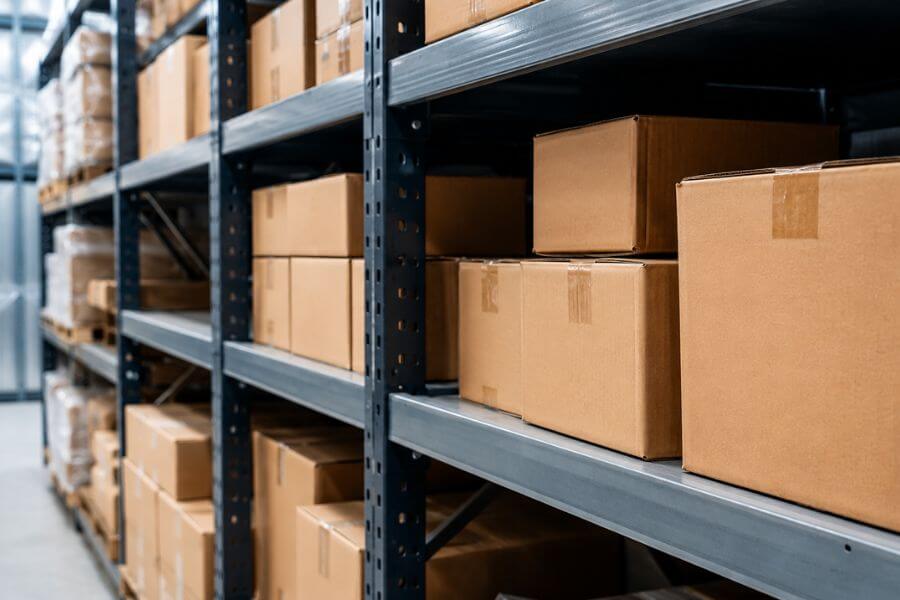
A shelf in logistics refers to a storage structure used to hold goods, cartons, pallets, or inventory inside a warehouse or fulfillment center. Shelves are designed to maximize storage space while keeping products accessible for picking, packing, and shipping.
Shelves can be simple manual racks or advanced automated systems, depending on the type of warehouse and products being stored.
Why Shelves Are Important in Logistics
Shelves play a major role in warehouse management and supply chain operations. Without proper shelving, inventory can become disorganized, damaged, or difficult to find.
Here are some key reasons shelves matter in logistics:
- Improve warehouse organization
- Increase storage capacity
- Reduce product damage
- Speed up order fulfillment
- Improve worker safety
- Support accurate inventory tracking
- Help warehouses use vertical space efficiently
Quick Summary Table
| Topic | Details |
|---|---|
| Purpose of Shelves | Store and organize inventory efficiently |
| Main Users | Warehouses, fulfillment centers, retail distribution hubs |
| Common Shelf Types | Static shelving, pallet racks, cantilever shelves, mobile shelving |
| Main Benefits | Better organization, faster picking, higher storage capacity |
| Industries Using Shelves | Ecommerce, retail, manufacturing, food, pharmaceuticals |
| Technology Used | Barcode systems, RFID, warehouse management systems |
Types of Shelves Used in Logistics
Different warehouses use different types of shelving depending on inventory size, weight, and storage needs.
Static Shelving
Static shelving is one of the most common systems in small and medium warehouses. These shelves stay fixed in place and are used for lightweight products and manual picking.
Best for:
- Small items
- Retail products
- Manual inventory management
Pallet Racking Shelves
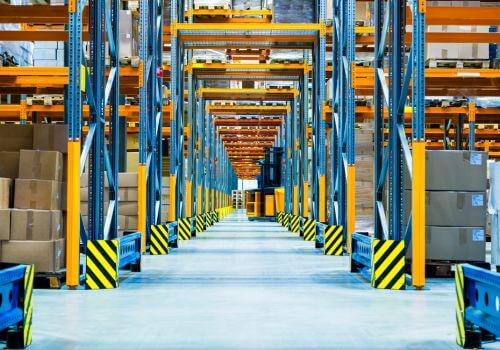
Pallet racking systems are designed for storing palletized goods. Forklifts are commonly used to place and retrieve inventory from these shelves.
Best for:
- Large warehouses
- Heavy inventory
- Bulk storage
Cantilever Shelving
Cantilever shelves are designed for long or oversized items such as pipes, lumber, and metal rods.
Best for:
- Construction materials
- Long products
- Irregularly shaped inventory
Mobile Shelving
Mobile shelving systems move along tracks to save warehouse space. They allow businesses to increase storage density.
Best for:
- High-density storage
- Limited warehouse space
- Archived inventory
Automated Shelving Systems
Automated shelves use robotics and warehouse software to move products efficiently. These systems are common in e-commerce fulfillment centers.
Best for:
- Fast order processing
- Large ecommerce operations
- Reducing labor costs
How Shelving Improves Warehouse Efficiency
A good shelving system helps your warehouse operate more efficiently in several ways.
- Faster Picking and Packing: When products are stored in clearly labeled shelves, workers can locate items quickly. This speeds up order fulfillment and reduces delays.
- Better Inventory Control: Shelves help you organize inventory by category, SKU, size, or demand level. This improves stock visibility and inventory accuracy.
- Improved Space Usage: Warehouses often use vertical shelving systems to maximize storage space without increasing building size.
- Reduced Product Damage: Proper shelves keep products secure and separated, lowering the risk of crushing, falling, or contamination.
- Safer Warehouse Environment: Organized shelves reduce clutter and help workers move safely throughout the warehouse.
Common Shelf Materials in Logistics
Shelves are made from different materials depending on warehouse needs.
| Material | Advantages | Common Use |
|---|---|---|
| Steel | Strong and durable | Heavy industrial storage |
| Aluminum | Lightweight and rust resistant | Light inventory storage |
| Wood | Affordable and simple | Small storage areas |
| Plastic | Moisture resistant | Food and pharmaceutical storage |
Important Factors When Choosing Shelves
Choosing the right shelving system depends on your warehouse operations and inventory type.
- Weight Capacity: You should always check how much weight the shelves can safely hold.
- Warehouse Space: The layout and ceiling height of your warehouse affect shelf selection.
- Inventory Type: Small products, fragile goods, and oversized items all require different shelving solutions.
- Accessibility: Your team should be able to access products easily without slowing down operations.
- Scalability: A flexible shelving system allows your warehouse to grow as your business expands.
How Technology Works With Shelves in Logistics
Modern logistics combines shelving with digital technology to improve inventory management.
- Barcode Scanning: Workers scan shelf locations and products to maintain accurate inventory records.
- RFID Tracking: RFID systems allow businesses to track inventory automatically in real time.
- Warehouse Management Systems: Warehouse management software helps optimize shelf placement, picking routes, and inventory control.
- Automation and Robotics: Some advanced warehouses use robotic systems that retrieve products directly from shelves.
Challenges of Shelf Management in Logistics
Even the best shelving systems can create challenges if not managed properly.
- Overloaded shelves can become dangerous
- Poor shelf organization slows down picking
- Limited warehouse space can reduce efficiency
- Damaged shelves may create safety risks
- Incorrect shelf labeling can cause inventory errors
Regular inspections and proper warehouse planning help reduce these problems.
Best Practices for Shelf Organization
Good shelf organization improves productivity and warehouse safety.
- Label shelves clearly
- Store fast-moving products in easy-access areas
- Use vertical space effectively
- Inspect shelves regularly for damage
- Keep heavy items on lower shelves
- Maintain clean warehouse aisles
- Use inventory tracking software
Industries That Depend on Logistics Shelving
Many industries rely heavily on shelving systems to manage inventory efficiently.
- E-commerce fulfillment
- Retail distribution
- Manufacturing
- Automotive parts storage
- Food and beverage logistics
- Pharmaceutical warehouses
- Cold storage facilities
The Future of Shelves in Logistics
Warehouse shelving continues to evolve with new technology and automation. Many companies are investing in smart warehouses that combine robotics, AI systems, and automated shelving.
Future trends include:
- Automated storage and retrieval systems
- AI-powered inventory management
- Space-saving vertical warehouses
- Robotic picking systems
- Smart sensors for shelf monitoring
As e-commerce and global shipping continue to grow, advanced shelving systems will become even more important.
Conclusion
Shelves are one of the most important parts of warehouse and logistics operations. They help you organize inventory, improve efficiency, save space, and support faster order fulfillment.
Choosing the right shelving system depends on your warehouse size, inventory type, and operational goals. Whether you use simple static shelves or advanced automated systems, proper shelf management can greatly improve your supply chain performance.
As logistics technology continues to advance, shelving systems will play an even bigger role in creating faster, safer, and more efficient warehouses.
Frequently Asked Questions
What is the difference between shelving and racking in logistics?
Shelving is usually designed for smaller or lighter items that workers pick manually. Racking systems are built for heavier palletized goods and often require forklifts.
How often should warehouse shelves be inspected?
Warehouse shelves should be inspected regularly, often monthly or quarterly, depending on warehouse activity and safety requirements.
Can shelves improve order accuracy in warehouses?
Yes. Organized shelves with clear labels help workers find products quickly and reduce picking mistakes.
What is the best shelving system for e-commerce warehouses?
Many e-commerce warehouses use a combination of static shelving, bin storage, and automated shelving systems to handle fast-moving products efficiently.
Why is vertical shelving important in logistics?
Vertical shelving helps warehouses maximize storage capacity by using upward space instead of expanding floor space.