Transportation logistics is one of the most important parts of modern business. Every day, products move between factories, warehouses, ports, stores, and customers. Without strong transportation logistics, businesses would struggle to deliver goods on time, control costs, and keep customers happy.
Whether you run a small online store, manage a growing company, or simply want to understand how products move around the world, learning transportation logistics can help you make smarter decisions.
In this guide, you will learn what transportation logistics is, how it works, the different transportation methods, common challenges, and how businesses improve efficiency in their supply chains.
What Is Transportation Logistics?
Transportation logistics is the process of planning, managing, and moving goods from one location to another. It focuses on making sure shipments arrive safely, on time, and at the lowest reasonable cost.
Transportation logistics includes:
- Route planning
- Carrier selection
- Shipment tracking
- Freight management
- Inventory coordination
- Delivery scheduling
- Warehouse transportation planning
- Import and export movement
The main goal is to move products efficiently while reducing delays and unnecessary expenses.
Quick Summary Table
| Topic | Description |
|---|---|
| Transportation Logistics | The movement and management of goods from one place to another |
| Main Goal | Fast, safe, and cost effective delivery |
| Common Transport Types | Road, rail, air, sea, and intermodal |
| Key Technology | GPS, transportation management systems, tracking software |
| Main Challenges | Fuel costs, delays, weather, labor shortages, regulations |
| Important Skills | Planning, communication, coordination, data analysis |
| Industries Using It | Retail, manufacturing, ecommerce, healthcare, food, automotive |
Why Transportation Logistics Matters
Transportation logistics affects nearly every industry. Businesses depend on reliable transportation systems to keep operations running smoothly.
Good transportation logistics helps you:
- Reduce shipping costs
- Improve delivery speed
- Increase customer satisfaction
- Lower product damage risk
- Improve inventory management
- Avoid delays and supply chain disruptions
- Track shipments in real time
When transportation logistics is poorly managed, companies often face late deliveries, unhappy customers, higher operating costs, and inventory shortages.
How Transportation Logistics Works
Transportation logistics involves several connected steps. Each step plays an important role in making the supply chain work efficiently.
Planning the Shipment
The first step is deciding how goods will move from the starting point to the final destination.
This includes:
- Choosing transportation methods
- Calculating shipping costs
- Selecting delivery routes
- Scheduling pickup and delivery times
Choosing a Carrier
A carrier is the company responsible for moving the goods.
Businesses compare:
- Pricing
- Delivery speed
- Reliability
- Coverage areas
- Customer service quality
Loading and Transportation
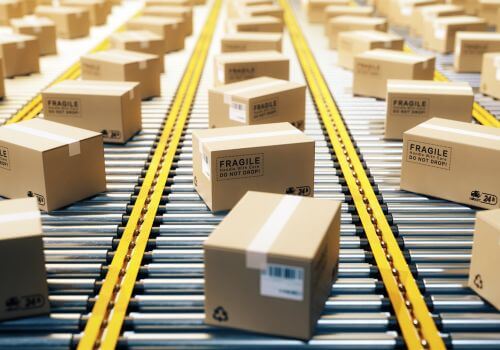
Products are packed, loaded onto vehicles, and transported to warehouses, distribution centers, retailers, or customers.
Transportation may involve:
- Trucks
- Ships
- Airplanes
- Trains
- Multiple transportation methods together
Tracking the Shipment
Modern logistics systems allow businesses and customers to track shipments in real time.
Tracking helps improve:
- Visibility
- Delivery accuracy
- Communication
- Customer confidence
Final Delivery
The final step is delivering the goods to the customer or business location. This stage is often called last-mile delivery.
Last-mile delivery is extremely important because it directly affects customer satisfaction.
Types of Transportation Logistics
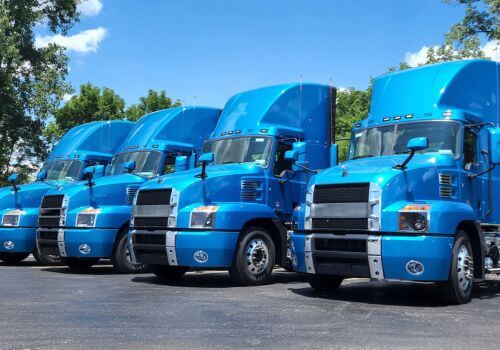
Road Transportation
Road transportation uses trucks and vans to move goods.
It is one of the most common transportation methods because it offers flexibility and direct delivery.
Advantages:
- Door-to-door delivery
- Flexible scheduling
- Good for short and medium distances
- Widely available
Disadvantages:
- Traffic delays
- Fuel costs
- Weather disruptions
Rail Transportation
Rail transportation moves goods using freight trains.
It is often used for large and heavy shipments over long distances.
Advantages:
- Lower fuel usage
- Cost-effective for bulk cargo
- Reliable long-distance movement
Disadvantages:
- Limited route flexibility
- Slower than air freight
Air Transportation
Air freight is the fastest transportation option.
Businesses commonly use air logistics for:
- Urgent shipments
- Medical products
- High-value goods
- International e-commerce
Advantages:
- Fast delivery speed
- Global reach
- Reduced transit times
Disadvantages:
- Higher shipping costs
- Weight restrictions
- Weather-related delays
Sea Transportation
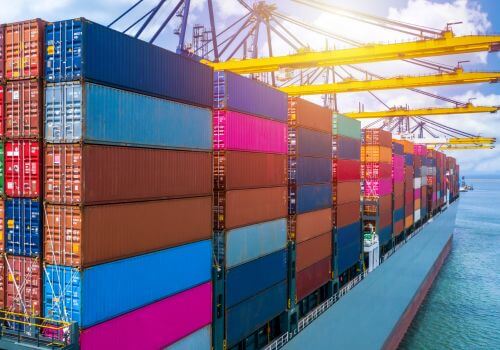
Sea freight uses cargo ships to move goods internationally.
It is the most common method for global trade.
Advantages:
- Ideal for large shipments
- Lower cost for international freight
- Can handle heavy cargo
Disadvantages:
- Longer delivery times
- Port congestion risks
- Weather disruptions
Intermodal Transportation
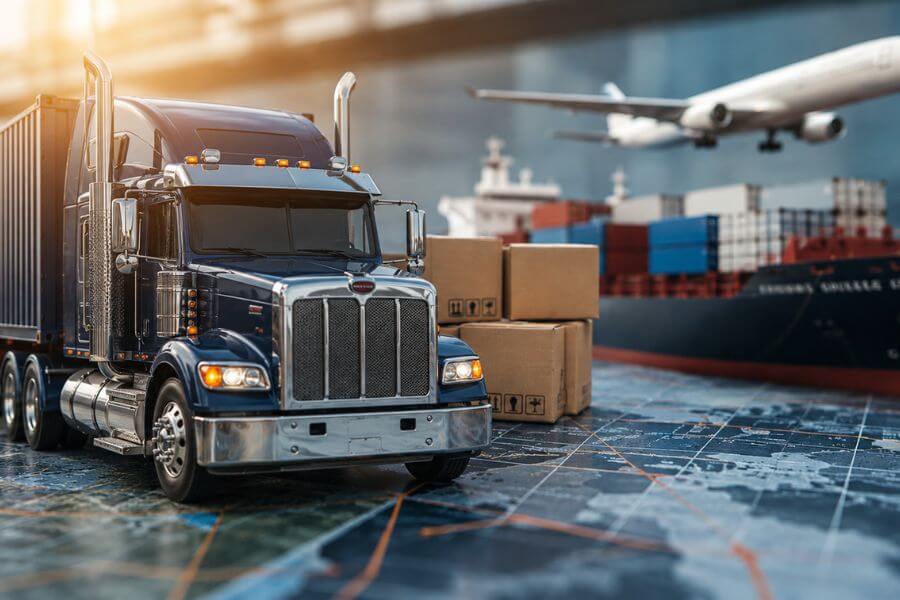
Intermodal transportation combines multiple transportation methods.
For example:
- Truck and rail
- Ship and truck
- Air and road transport
This approach helps improve efficiency and reduce costs.
Key Components of Transportation Logistics
Transportation Management System (TMS)
A transportation management system is software used to plan and manage shipments.
A TMS helps businesses:
- Track deliveries
- Optimize routes
- Manage freight costs
- Improve reporting
- Increase efficiency
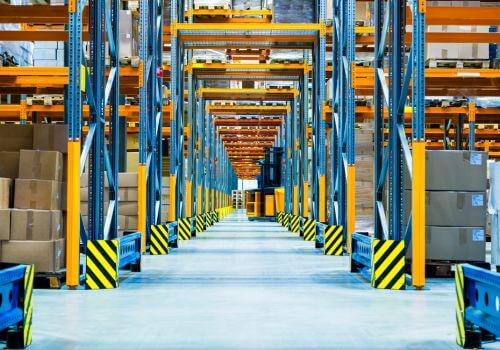
Warehouse Coordination
Transportation and warehousing work closely together. Products must move smoothly between storage facilities and delivery vehicles.
Poor coordination can cause:
- Shipping delays
- Inventory problems
- Extra labor costs
Fleet Management
Companies with their own vehicles must manage drivers, fuel, maintenance, and delivery schedules.
Fleet management helps reduce costs and improve vehicle performance.
Freight Documentation
Transportation logistics requires accurate documents.
Common documents include:
Common Challenges in Transportation Logistics
- Rising Fuel Costs: Fuel prices directly affect transportation expenses. Sudden increases can reduce profit margins.
- Delivery Delays: Traffic, weather, port congestion, and labor shortages can delay shipments.
- Supply Chain Disruptions: Global events, natural disasters, and political issues can interrupt transportation networks.
- Driver Shortages: Many logistics companies struggle to find enough qualified drivers.
- Changing Customer Expectations: Customers now expect faster shipping, better tracking, and accurate delivery updates.
How Technology Improves Transportation Logistics
Technology has changed transportation logistics dramatically in recent years.
- GPS Tracking: GPS systems allow businesses to monitor vehicles and shipments in real time.
- Route Optimization Software: Advanced software helps companies choose faster and more efficient delivery routes.
- Automation: Automation reduces manual work and improves accuracy in logistics operations.
- Artificial Intelligence: AI helps companies predict delays, improve demand forecasting, and optimize transportation planning.
- Data Analytics: Logistics companies use data to improve performance and reduce operational costs.
Transportation Logistics in E-commerce
E-commerce businesses rely heavily on transportation logistics and fast delivery has become a major competitive advantage.
Important e-commerce logistics features include:
- Same-day delivery
- Next-day shipping
- Real-time tracking
- Returns management
- Warehouse distribution networks
If transportation logistics fails, e-commerce businesses can lose customers quickly.
How Businesses Reduce Transportation Costs
Businesses constantly look for ways to improve efficiency and lower transportation expenses.
Common strategies include:
- Using route optimization software
- Combining shipments
- Reducing empty truck space
- Improving warehouse locations
- Negotiating carrier rates
- Using intermodal transportation
- Improving inventory forecasting
Skills Needed in Transportation Logistics
Transportation logistics professionals need strong organizational and problem-solving skills.
Important skills include:
- Communication
- Planning
- Time management
- Data analysis
- Supply chain knowledge
- Customer service
- Technology skills
- Decision making
Transportation Logistics Careers
The logistics industry offers many career opportunities.
Common transportation logistics jobs include:
- Logistics coordinator
- Transportation manager
- Supply chain analyst
- Fleet manager
- Freight broker
- Warehouse manager
- Dispatcher
- Import export specialist
The industry continues to grow because global trade and e-commerce demand keep increasing.
Future Trends in Transportation Logistics
Electric Vehicles
Many logistics companies are adding electric delivery vehicles to reduce fuel costs and emissions.
Autonomous Vehicles
Self-driving trucks may become more common in the future.
Smart Warehouses
Warehouses are becoming more automated with robotics and AI systems.
Sustainable Logistics
Businesses are focusing more on environmentally friendly transportation methods.
Faster Delivery Networks
Companies continue investing in faster and more efficient delivery systems to meet customer expectations.
Conclusion
Transportation logistics is the backbone of global trade and modern business operations. It connects manufacturers, suppliers, warehouses, retailers, and customers through organized transportation systems.
When transportation logistics is managed properly, businesses can reduce costs, improve delivery performance, and increase customer satisfaction. As technology continues to evolve, transportation logistics will become even faster, smarter, and more efficient.
Understanding how transportation logistics works can help you make better business decisions, improve supply chain performance, and stay competitive in a fast-moving market.
Frequently Asked Questions
What is the difference between transportation logistics and supply chain management?
Transportation logistics focuses mainly on moving goods from one location to another, while supply chain management covers the entire flow of products, information, suppliers, inventory, and customer delivery.
Why is last-mile delivery important in transportation logistics?
Last-mile delivery is the final stage of delivery to the customer. It is important because it directly affects customer experience, delivery speed, and satisfaction.
How do logistics companies track shipments?
Logistics companies use technologies such as:
- GPS tracking
- Barcode scanning
- RFID systems
- Transportation management software
- Real-time delivery monitoring
What industries depend the most on transportation logistics?
Many industries depend heavily on transportation logistics, including:
- Retail
- Ecommerce
- Manufacturing
- Healthcare
- Automotive
- Food and beverage
- Construction
What are the biggest risks in transportation logistics?
Some major risks include:
- Fuel price increases
- Weather disruptions
- Supply chain interruptions
- Labor shortages
- Transportation accidents
- Customs delays
- Cybersecurity threats