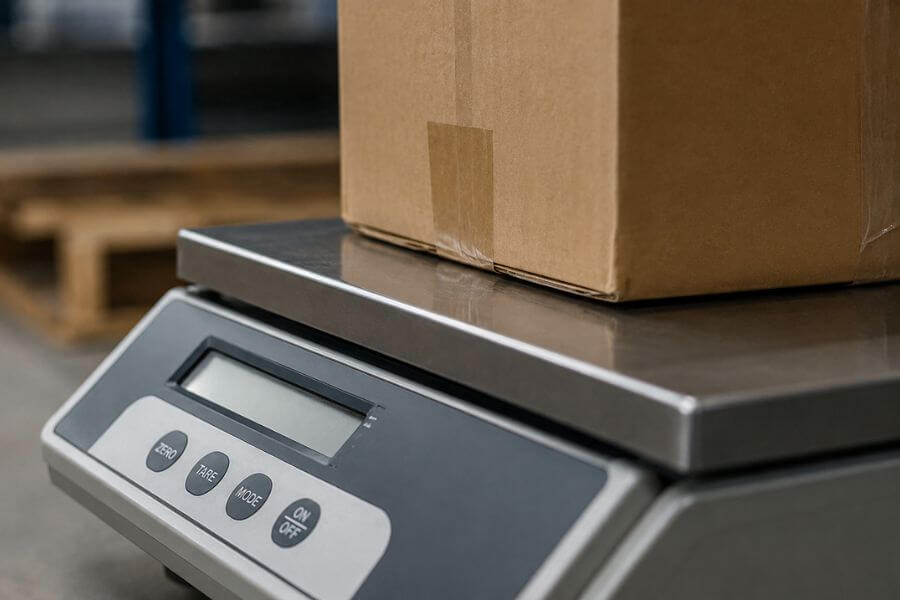
In the logistics industry, shipping costs are often based on weight. One of the most common weight units you will see in freight shipping is hundredweight, also called CWT. If you work with trucking, warehousing, freight pricing, or supply chain management, understanding CWT can help you calculate shipping costs more accurately and avoid expensive mistakes.
Whether you are shipping products across the country or managing inventory for your business, knowing how hundredweight works can make freight pricing much easier to understand. This guide explains what CWT means, how it is used in logistics, how to calculate it, and why it matters in transportation and warehousing.
What Is Hundredweight (CWT)?
Hundredweight, commonly shortened as CWT, is a unit of weight used in logistics and freight transportation. In the United States, one hundredweight equals 100 pounds.
The term is widely used in:
- Freight shipping
- LTL transportation
- Warehouse operations
- Agriculture logistics
- Manufacturing supply chains
- Freight pricing calculations
Instead of quoting freight prices per pound, carriers often charge by CWT because it simplifies pricing for heavier shipments.
Quick Summary Table
| Term | Meaning |
|---|---|
| CWT | Hundredweight |
| 1 CWT | 100 pounds in the United States |
| Main Use | Freight and shipping pricing |
| Common Industries | Logistics, trucking, warehousing, agriculture |
| Pricing Method | Cost per hundred pounds |
| Most Common Freight Type | LTL shipping |
Why CWT Is Important in Logistics
CWT helps carriers and shippers standardize freight pricing. Instead of calculating charges for every individual pound, carriers can create pricing brackets based on hundreds of pounds.
This method helps:
- Simplify freight calculations
- Speed up quoting processes
- Create standard pricing systems
- Improve billing accuracy
- Handle larger shipments more efficiently
If you regularly ship freight, understanding CWT can help you compare rates between carriers and control transportation costs.
How to Calculate CWT
Calculating hundredweight is simple. You divide the total shipment weight by 100.
CWT Formula
CWT = Total Weight in Pounds ÷ 100
Example 1
If your shipment weighs 2,000 pounds:
- 2,000 ÷ 100 = 20 CWT
Your shipment equals 20 hundredweight.
Example 2
If your carrier charges $28 per CWT:
- 20 CWT × $28 = $560
Your shipping cost would be $560.
Difference Between CWT and Standard Weight Measurements
Many people confuse CWT with pounds or tons. While all are weight measurements, they are used differently in logistics.
| Measurement | Equivalent Weight | Common Usage |
|---|---|---|
| Pound (lb) | 1 pound | Small packages |
| CWT | 100 pounds | Freight pricing |
| Ton | 2,000 pounds | Large freight shipments |
Where CWT Is Commonly Used
LTL Freight Shipping
Less-than-truckload shipping, also known as LTL shipping, often uses CWT pricing. Since multiple shipments share the same truck, carriers need a standardized way to calculate freight charges.
CWT pricing helps carriers charge fairly based on shipment weight.
Agriculture
Agricultural products like grains, livestock feed, and produce are commonly measured using hundredweight.
For example:
- Potatoes may be sold per CWT
- Rice shipments may use CWT pricing
- Farm goods are often quoted using hundredweight rates
Warehousing and Distribution
Some warehouse operations use CWT to estimate handling fees, storage charges, or transportation costs.
Manufacturing
Manufacturers moving raw materials or finished products often use CWT to manage freight expenses and shipping contracts.
CWT Pricing in Freight Shipping
Freight carriers usually calculate shipping charges based on several factors, not just CWT alone.
These factors include:
- Total shipment weight
- Freight class
- Shipping distance
- Dimensions of the shipment
- Fuel surcharges
- Special handling requirements
Even if two shipments have the same CWT, they may have different shipping costs because of freight class or destination.
What Is a CWT Rate?
A CWT rate is the price charged per hundred pounds of freight.
For example:
- $22 per CWT means you pay $22 for every 100 pounds shipped
If your shipment weighs 1,500 pounds:
- 1,500 ÷ 100 = 15 CWT
- 15 × $22 = $330
Your freight charge would be $330 before extra fees.
Advantages of Using CWT in Logistics
Simplifies Freight Pricing
CWT provides a standard pricing structure that makes freight quotes easier to understand.
Improves Efficiency
Transportation companies can process quotes and invoices faster using standard CWT calculations.
Better Cost Comparison
You can compare freight rates between different carriers more easily when pricing is based on CWT.
Useful for Bulk Shipping
Hundredweight works especially well for medium and large shipments.
Challenges of CWT Pricing
Can Be Confusing for Beginners
People new to logistics may not immediately understand how CWT pricing works.
Does Not Include All Freight Factors
Freight costs are affected by more than just weight. Size, freight class, and fuel costs also matter.
International Differences
Different countries may define a hundredweight differently.
For example:
- U.S. CWT = 100 pounds
- British hundredweight historically used 112 pounds
In modern U.S. logistics, the standard is 100 pounds.
CWT vs Freight Class
CWT and freight class are connected, but they are not the same thing.
| CWT | Freight Class |
|---|---|
| Measures shipment weight | Measures shipping difficulty and density |
| Used for pricing calculations | Used for shipment classification |
| Based on pounds | Based on density, handling, value, and risk |
Both are important when calculating shipping rates.
How Businesses Can Reduce CWT Shipping Costs
If you ship products regularly, reducing freight costs can improve your profits.
- Optimize Packaging: Use packaging that protects products without adding unnecessary weight.
- Combine Shipments: Consolidating smaller shipments into larger ones may lower your cost per CWT.
- Compare Carrier Rates: Different carriers may offer different CWT pricing structures.
- Improve Warehouse Planning: Efficient warehouse operations can reduce unnecessary freight movement.
- Negotiate Contracts: Businesses with regular shipping volume can often negotiate better freight rates.
Common Logistics Terms Related to CWT
| Term | Meaning |
|---|---|
| LTL | Less-than-truckload shipping |
| Freight Class | Shipment classification system |
| Bill of Lading | Shipping document for freight transport |
| Density | Weight compared to shipment size |
| NMFC | National Motor Freight Classification |
When You Should Pay Attention to CWT
You should closely monitor CWT when:
- Shipping large freight loads
- Comparing freight quotes
- Managing transportation budgets
- Negotiating shipping contracts
- Calculating logistics expenses
- Working with LTL carriers
Even small changes in shipment weight can affect your total freight cost.
Conclusion
Hundredweight, or CWT, is one of the most important weight measurements used in the logistics industry. It helps carriers and businesses standardize freight pricing and simplify transportation calculations.
By understanding how CWT works, you can better manage shipping costs, compare freight quotes, and improve your logistics planning. Whether you run an e-commerce business, manage warehouse operations, or work in transportation, learning how hundredweight pricing works can help you make smarter shipping decisions.
Frequently Asked Questions
Is CWT only used in trucking logistics?
No. While trucking companies commonly use CWT, it is also used in:
- Agriculture
- Manufacturing
- Warehousing
- Rail shipping
- Industrial freight operations
Can lightweight shipments use CWT pricing?
Yes, but CWT pricing is usually more common for medium and heavy freight shipments. Small parcel carriers often price shipments differently.
Does shipment size affect CWT pricing?
Yes. Even if your shipment has a certain weight, large dimensions may increase freight costs because carriers also consider shipment density and space usage.
Why do freight carriers prefer CWT pricing?
Carriers prefer CWT because it:
- Creates standardized pricing
- Simplifies billing
- Improves operational efficiency
- Makes freight calculations faster
Can CWT rates change over time?
Yes. CWT rates may change because of:
- Fuel prices
- Transportation demand
- Economic conditions
- Shipping distance
- Carrier capacity