If your business imports goods and pays customs duties, you may be leaving money on the table without realizing it. Duty drawback is a valuable program that allows you to recover certain duties, taxes, and fees that were paid when goods entered a country.
Many importers, exporters, manufacturers, and logistics companies use duty drawback to reduce costs, improve cash flow, and stay competitive. However, the process can seem complicated if you are unfamiliar with customs regulations.
In this guide, you will learn what duty drawback is, how it works, who can claim it, the different types of drawback programs, and how to maximize your refunds.
Duty Drawback at a Glance
| Topic | Summary |
|---|---|
| What is Duty Drawback? | A refund of certain customs duties, taxes, and fees paid on imported goods. |
| Main Purpose | Reduce costs for exporters and manufacturers. |
| Who Can Claim? | Importers, exporters, manufacturers, and authorized third parties. |
| Eligible Goods | Goods that are exported, destroyed, or used in manufacturing exported products. |
| Benefits | Cost savings, improved profitability, and better cash flow. |
| Required Records | Import documents, export records, invoices, and supporting customs data. |
What Is Duty Drawback?
Duty drawback is a customs program that refunds some or all of the duties, taxes, and fees paid on imported goods when specific conditions are met.
In simple terms, if you import products, pay customs duties, and later export those products or qualifying products made from them, you may be able to get a refund.
The purpose of duty drawback is to encourage international trade by preventing businesses from being taxed twice on goods that ultimately leave the country.
For example, you may import electronic components, pay import duties, use those components to manufacture finished products, and then export the finished products overseas. Under a duty drawback program, you may recover a large portion of the duties originally paid.
Why Duty Drawback Matters
Many companies focus heavily on reducing transportation, warehousing, and manufacturing costs but overlook duty recovery opportunities.
Duty drawback can provide significant financial benefits, including:
- Lower overall import costs
- Increased profit margins
- Improved cash flow
- Enhanced competitiveness in international markets
- Reduced landed costs
- Additional funds for business growth
For companies that import and export regularly, duty drawback refunds can add up to thousands or even millions of dollars annually.
How Duty Drawback Works
The process generally follows several steps.
- Import goods and pay customs duties.
- Maintain detailed records of the imported goods.
- Export the same goods or qualifying replacement goods.
- Gather export documentation.
- Submit a duty drawback claim.
- Receive an approved refund from customs authorities.
The exact process depends on the country’s customs regulations, but the basic principle remains the same.
Who Can Benefit from Duty Drawback?
Many different businesses can take advantage of duty drawback programs.
- Importers
- Exporters
- Manufacturers
- Distributors
- E-commerce companies
- Automotive suppliers
- Chemical manufacturers
- Technology companies
- Medical device manufacturers
- Retail businesses engaged in international trade
Even if your company is not directly exporting products, you may still qualify under certain circumstances.
Types of Duty Drawback
Different drawback programs exist depending on how imported goods are used.
Unused Merchandise Drawback
This type applies when imported goods are exported without being used in the country.
Examples include:
- Imported products that are resold internationally
- Inventory exported to another market
- Products returned to suppliers overseas
Manufacturing Drawback
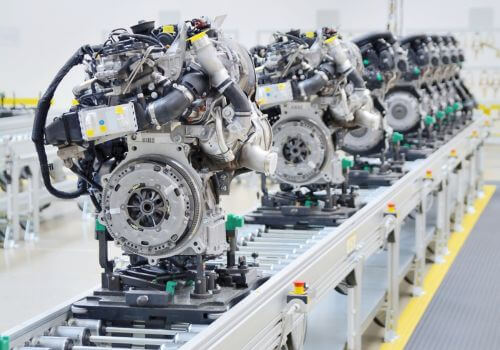
This applies when imported materials or components are used to manufacture products that are later exported.
Examples include:
- Automotive parts used in exported vehicles
- Imported fabric used in exported clothing
- Electronic components used in exported devices
Rejected Merchandise Drawback
This applies when imported goods fail to meet specifications or are defective.
Common situations include:
- Defective products
- Goods shipped incorrectly
- Products that do not meet contract requirements
- Items returned to the supplier
Destruction Drawback
Some programs allow refunds when imported goods are destroyed under customs supervision instead of being exported.
This may apply when products are damaged, unsafe, expired, or no longer marketable.
What Goods May Qualify?
Eligibility varies by country and customs authority, but common qualifying goods include:
- Raw materials
- Components and parts
- Finished products
- Packaging materials
- Industrial equipment components
- Chemical products
- Consumer goods
Qualification depends on proving the relationship between imported goods and exported goods.
Documents Needed for Duty Drawback Claims
Accurate documentation is one of the most important parts of a successful claim.
You may need:
- Import entry records
- Customs declarations
- Duty payment records
- Commercial invoices
- Bills of lading
- Packing lists
- Export declarations
- Manufacturing records
- Inventory tracking records
- Proof of export
Missing or incomplete records can delay or prevent refunds.
Common Challenges with Duty Drawback
Although duty drawback can provide substantial savings, businesses often face challenges during the process.
- Complex customs regulations
- Incomplete documentation
- Poor inventory tracking
- Missed filing deadlines
- Difficulty linking imports to exports
- Changing customs requirements
Because of these challenges, many companies invest in compliance systems or work with customs specialists.
How Inventory Tracking Supports Duty Drawback
Strong inventory management plays a major role in successful drawback claims.
Your records should clearly show:
- When goods were imported
- Where goods were stored
- How goods were used
- When products were manufactured
- When products were exported
Modern warehouse management systems and inventory software can make this process much easier.
Duty Drawback and Manufacturing Operations
Manufacturers are among the biggest users of duty drawback programs.
When imported components become part of exported finished goods, significant refunds may be available.
Industries that frequently use manufacturing drawback include:
- Automotive
- Aerospace
- Electronics
- Medical devices
- Industrial machinery
- Chemicals
For large manufacturers, duty drawback can become an important part of the overall supply chain strategy.
How Long Does It Take to Receive a Refund?
The processing time varies depending on the customs authority, claim complexity, and documentation quality.
Factors that may affect processing time include:
- Claim size
- Record accuracy
- Customs workload
- Additional review requirements
- Audit requests
Submitting complete and organized documentation generally helps speed up the process.
Best Practices for Maximizing Duty Drawback
If you want to maximize your recovery opportunities, consider these best practices.
- Maintain detailed import and export records.
- Track inventory accurately.
- Review duty payments regularly.
- Identify eligible products early.
- Monitor filing deadlines.
- Conduct periodic compliance reviews.
- Train staff on drawback requirements.
- Use technology to improve visibility.
Many companies discover additional refund opportunities after conducting a thorough review of historical import and export activity.
Advantages and Disadvantages of Duty Drawback
| Advantages | Disadvantages |
|---|---|
| Reduces import costs | Complex regulations |
| Improves cash flow | Documentation requirements |
| Increases profitability | Time-consuming administration |
| Supports export growth | Potential audits |
| Creates competitive advantages | Strict filing deadlines |
The Future of Duty Drawback
As global trade continues to evolve, duty drawback programs are becoming increasingly important for businesses seeking cost savings and supply chain efficiency.
Advancements in customs technology, automation, data analytics, and inventory tracking systems are making drawback claims more manageable than ever before.
Companies that proactively manage their import and export activities are often better positioned to take advantage of available refunds and improve overall trade compliance.
Conclusion
Duty drawback is one of the most valuable but often overlooked opportunities in international trade. By allowing businesses to recover duties, taxes, and fees paid on imported goods that are later exported or otherwise qualify, the program can significantly reduce costs and improve profitability.
Success with duty drawback depends on accurate documentation, strong inventory controls, compliance with customs regulations, and timely filing. Whether you are an importer, exporter, manufacturer, or distributor, understanding how duty drawback works can help you unlock meaningful savings and strengthen your global trade operations.
Frequently Asked Questions
Can small businesses use duty drawback programs?
Yes. Duty drawback is not limited to large corporations.
- Small importers and exporters may qualify
- Refund opportunities exist regardless of company size
- Even occasional exporters may benefit
- Proper documentation remains essential
Can duty drawback be claimed on e-commerce exports?
In many cases, yes.
- International e-commerce shipments may qualify
- Imported inventory sold to foreign customers can be eligible
- Export records must be maintained
- Country-specific rules apply
Can a company file claims for past transactions?
Many customs programs allow claims on qualifying historical transactions.
- Look-back periods vary by country
- Supporting records must still be available
- Older claims may require additional review
- Deadlines must be carefully monitored
Can duty drawback be combined with other trade programs?
Possibly, depending on the specific customs rules.
- Some programs can work together
- Others may have restrictions
- Trade agreements may affect eligibility
- Careful compliance review is recommended
What happens if a duty drawback claim is audited?
Customs authorities may review supporting documentation before approving or after paying a claim.
- Maintain organized records
- Keep import and export documentation accessible
- Respond promptly to information requests
- Accurate recordkeeping helps reduce audit risks